Last-Minute Wedding Flowers: Arrange a Stress-Free Bouquet
Wedding planning has a habit of shrinking the clock right when you need calm the most. Maybe the original florist fell through, the guest list changed the budget, or you suddenly realised the bouquet still isn't sorted. Whatever the reason, last-minute wedding flowers do not have to mean a rushed, awkward compromise. With the right plan, you can still arrange a bouquet that looks polished, feels personal, and arrives on time.
This guide is designed to help you make quick, confident decisions without sacrificing style. You'll learn what matters most, what to skip, how to choose flowers that hold up well, and how to keep the whole process stress-free. If you are working with a tight deadline, a clear method is far more valuable than trying to do everything perfectly.
In practical terms, the goal is simple: create a wedding bouquet or small floral set that looks elegant, suits the day, and is realistic to source fast. That might mean using seasonal blooms, simplifying the design, or choosing reliable delivery options such as flower delivery or express flower delivery depending on what is available. The good news? A bouquet chosen well under pressure can still feel thoughtful and beautifully finished.
Table of Contents
- Why Last-Minute Wedding Flowers Matter
- How a Stress-Free Bouquet Works
- Key Benefits and Practical Advantages
- Who This Is For and When It Makes Sense
- Step-by-Step Guidance
- Expert Tips for Better Results
- Common Mistakes to Avoid
- Tools, Resources and Recommendations
- Law, Compliance, Standards, or Best Practice
- Options, Methods, or Comparison Table
- Case Study or Real-World Example
- Practical Checklist
- Conclusion
- Frequently Asked Questions
Why Last-Minute Wedding Flowers: Arrange a Stress-Free Bouquet Matters
Flowers do more than decorate a wedding. They help define the tone of the day, tie together the outfit details, and make photographs feel finished. When time is tight, that role becomes even more important because the bouquet often becomes one of the few visible design elements that can instantly pull the whole look together.
Why does this matter so much at the last minute? Because rushed floral decisions can create avoidable stress. You may end up choosing blooms that wilt quickly, colours that clash, or arrangements that are too elaborate to source on time. On the other hand, a calm, practical approach gives you a better chance of getting something beautiful and suitable without the scramble.
There is also a hidden benefit: constraint can sharpen taste. When you cannot keep adding extras, you tend to focus on what actually matters. A clean bouquet made with strong flowers, sensible colours, and a simple shape can look more refined than a much larger arrangement that tries too hard. That is especially true for weddings, where clarity often photographs better than clutter.
For couples, planners, or family members stepping in late, this also reduces decision fatigue. Instead of debating twenty options, you can narrow the field fast and make one confident choice. That is the real value of a stress-free bouquet: less noise, more certainty.
Key takeaway: last-minute wedding flowers are not about settling for less; they are about choosing fewer, better decisions so the bouquet works beautifully under time pressure.
How Last-Minute Wedding Flowers: Arrange a Stress-Free Bouquet Works
A last-minute bouquet works best when it is built around availability, durability, and visual impact. In other words, you are not designing from a blank page. You are working with what can be sourced quickly and what will still look good by the ceremony.
The process usually starts with three practical questions: What is the wedding date? What style is needed? And how much flexibility is there on flower choice? Once those are clear, it becomes much easier to select blooms that can be delivered on time and arranged without fuss.
Most people benefit from simplifying the design. A bouquet with two or three main flower types, plus greenery or filler, is far easier to source at short notice than a heavily customised arrangement. Seasonal flowers are often the safest option because they are more likely to be available and fresher when they arrive.
Then comes the logistics. Delivery timing matters more than people expect. For example, if flowers arrive too early and are not cared for properly, they can open too far before the event. If they arrive too late, you inherit unnecessary stress. Services that clearly explain their delivery arrangements or offer well-communicated options like next-day delivery can make a difficult day much easier.
Finally, the bouquet should be treated as a small system rather than a single item. You need the flowers, the ribbon or wrap, basic care, and a safe place to store them before use. That is all it takes to turn a rushed purchase into a dependable wedding detail.
Key Benefits and Practical Advantages
Choosing a streamlined floral approach at the last minute offers more advantages than you might think. The obvious one is speed, but there are other benefits that matter just as much on a wedding day.
- Less decision stress: a focused flower shortlist makes it easier to commit quickly.
- Better availability: simpler bouquets are easier to source when stock is limited.
- Lower risk of disappointment: you are less likely to run into substitutions that change the overall look.
- Cleaner styling: a pared-back bouquet often looks elegant in photos and in person.
- More reliable timing: fewer moving parts means fewer chances for delays or confusion.
There is also a financial upside. Last-minute does not have to mean expensive, but it can become expensive if you insist on rare flowers, complex installation, or same-day custom work that requires extra handling. A practical bouquet built from in-season blooms can offer a much better balance of appearance and value.
For couples who are already juggling venue schedules, outfit fittings, and final guest details, the bouquet should not become another source of negotiation. A well-chosen arrangement lets you stay focused on the day itself instead of worrying about whether the flowers will survive the journey.
Who This Is For and When It Makes Sense
This approach is useful for several kinds of wedding scenarios. Some are planned late, others are simply delayed, and some are emergencies caused by a supplier issue. All of them can be handled calmly if the bouquet is approached in a practical way.
You may need this if:
- the original florist is unavailable or has dropped out
- you have less than a week before the wedding
- the couple decided to keep the floral design minimal
- you need a bouquet for a registry office ceremony or small civil wedding
- you are organising flowers for an elopement, micro-wedding, or vow renewal
- you need a quick replacement bouquet after a delivery issue
It is also a sensible option for anyone who does not want a highly stylised design. Not every wedding needs a large, bespoke floral display. Sometimes a neat hand-tied bouquet, a few matching buttonholes, and a simple table accent are enough to create a cohesive feel.
If you are organising flowers for business or hospitality-related weddings, you may also want to look at providers who understand flexible ordering and support options such as corporate accounts. Even though weddings are personal events, the same operational discipline helps when timing matters.
Truth be told, last-minute arrangements often work best for couples who value calm over perfection. If that sounds like you, this method will feel reassuring rather than limiting.
Step-by-Step Guidance
If you want to arrange a bouquet quickly without creating more stress, follow this order. It keeps the process practical and helps you avoid the most common rushed mistakes.
1. Fix the deadline first
Start with the exact time the bouquet needs to be ready. Not just the wedding date, but the actual hour. A bouquet needed for morning photographs has a very different timeline from one needed later in the afternoon.
2. Choose a simple visual direction
Decide whether you want soft and romantic, clean and modern, or colourful and joyful. You do not need a complex theme. Three words are enough to guide the flower choice.
3. Prioritise seasonal or readily available flowers
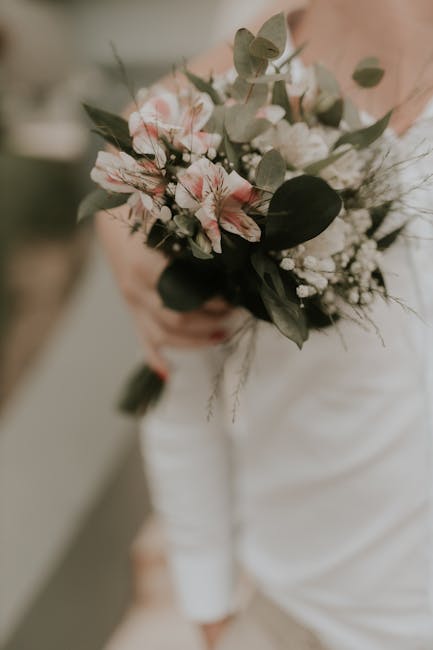
At short notice, availability matters more than chasing a specific bloom. Popular reliable options often include roses, lilies, alstroemeria, carnations, chrysanthemums, lisianthus, and greenery. Depending on the season, the final selection may shift slightly, and that is perfectly normal.
4. Keep the bouquet structure manageable
A hand-tied bouquet or compact arrangement is easier to source and transport than a highly engineered display. It also looks less stressful, which, amusingly, is often the point.
5. Confirm delivery and care details
Check exactly when the flowers will arrive, who will receive them, and what should happen if nobody is home. If you are ordering from a specialist, review the supplier's guarantees and returns and refund information so you know what support exists if something goes wrong.
6. Prepare a safe storage spot
Have a cool, shaded indoor space ready. Avoid direct sunlight, radiators, and damp windowsills. Flowers do not appreciate a dramatic pre-ceremony ordeal.
7. Finish with a simple styling touch
Ribbon, silk wrap, or a neat stem finish can make a small bouquet feel polished. A modest detail often makes the biggest difference when time is limited.
If you need help with ordering, the contact team at a reputable florist can often clarify timing and product suitability quickly. Clear communication is worth more than a fancy description at this stage.
Expert Tips for Better Results
A few small choices can dramatically improve how the bouquet looks and lasts. These are the details experienced florists and careful buyers tend to focus on first.
- Choose flowers with strong heads and firm stems. They travel better and hold shape longer.
- Ask for a colour family rather than a single exact shade. That keeps the order flexible while preserving the look.
- Avoid overly delicate blooms if you are running very late. Fragile petals may not tolerate transport well.
- Keep fragrance in mind. Strong scent can be lovely, but some couples prefer a softer profile for close-up comfort.
- Match the bouquet to the outfit, not the other way around. It is easier to build around the dress or suit than to force the styling later.
One practical tip people often overlook: ask whether the bouquet needs to coordinate with bridesmaids, buttonholes, or table flowers. If so, choose a shared colour thread rather than trying to match every flower exactly. That approach looks more cohesive and gives the florist more freedom to work with fresh stock.
You may also want to ask about flower care guidance. Even a beautiful bouquet can look tired if it sits too warm or too dry before the ceremony. A quick care routine is often the difference between "nice" and "beautiful".
For sustainability-minded couples, it is reasonable to ask where stems are sourced and whether seasonal choices are being prioritised. You can learn more from supplier pages such as sustainability information or responsible sourcing guidance. Not every last-minute order can be perfectly optimised, but small informed choices still count.
Common Mistakes to Avoid
Rushed flower orders usually fail for the same reasons. The good news is that most of them are preventable.
Waiting too long to approve the style
Time disappears fast when everyone keeps "just having one more look." Pick a direction and move on.
Choosing rare flowers with no flexibility
If your only requirement is a very specific bloom, you may end up with a compromise you do not like. Flexible specifications are much safer at short notice.
Ignoring transport conditions
A bouquet can look perfect at collection but struggle in heat, wind, or a long car journey. Transport matters more than many people realise.
Forgetting who is handling the flowers
If a friend, driver, or venue team is receiving them, make sure they know what to do. Confusion at handover is a classic wedding-day headache.
Not checking the supplier's support terms
Before you pay, understand the basics of payment, delivery, and what happens if there is a problem. A quick review of payment information, delivery details, and the supplier's terms and conditions can save a lot of back-and-forth later.
Another common mistake is trying to rescue the bouquet with too many extras. Too much ribbon, too much filler, too many colours. Sometimes restraint is the smartest move. A bouquet should complement the day, not start a new one.
Tools, Resources and Recommendations
You do not need specialist equipment to make this work, but a few practical tools and resources help a great deal.
- Reference photos: keep 2 to 3 images that show the shape and mood you want.
- Notes on colours: write down exact dress colours, suit tones, and any theme details.
- Delivery checklist: confirm the date, time window, recipient, and backup contact.
- Care guide: read how to keep stems cool and hydrated before the event.
- Return and complaint process: know the route if flowers arrive damaged or not as described.
If you are comparing suppliers, check whether they explain their service clearly on pages such as about the florist, their company background, and flower care advice. That information often reveals how organised and transparent a business really is.
For customers who prefer accessible websites and clear navigation, support pages such as accessibility information can also be a quiet but meaningful trust signal. It is not about ceremony; it is about whether the business has taken basic user needs seriously.
Law, Compliance, Standards, or Best Practice
Wedding flowers are not heavily regulated in the way some services are, but there are still standards and practical responsibilities worth respecting. Good suppliers should be clear about what they sell, when they will deliver it, and what happens if something arrives in poor condition.
From a buyer's perspective, best practice means reading the terms before ordering, especially if the bouquet is needed for a fixed ceremony time. For online orders, clarity around substitutions, delivery windows, refunds, and payment processing is especially important. If a product can be substituted because of seasonal availability, that should be explained plainly rather than hidden in small print.
There are also ethical and sustainability considerations. Many customers increasingly want to know whether flowers are sourced responsibly and whether the business has taken steps to reduce waste. Supplier statements like modern slavery information and sustainability commitments help show that these issues are being addressed, at least at a policy level.
Another useful standard is simple accuracy. If you are promised a bouquet in a particular style, the florist should make reasonable efforts to match it while keeping the flowers fresh and suitable. In short, honest communication matters more than overpromising.
Options, Methods, or Comparison Table
When time is tight, it helps to compare the main approaches side by side. This makes the decision easier and shows where flexibility is most useful.
| Option | Best for | Strengths | Trade-offs |
|---|---|---|---|
| Ready-made bouquet | Very short deadlines | Fastest choice, easy to order, minimal planning | Less personalised, fewer exact style controls |
| Semi-custom bouquet | Most wedding buyers | Good balance of style and speed, more flexibility | May require quick approval and communication |
| Fully bespoke bouquet | Longer lead times | Highly tailored design, coordinated details | Risky at the last minute, often more complex to fulfil |
| DIY bouquet | Very small ceremonies or confident planners | Can be economical, quick if flowers are locally available | Requires time, tools, and calm hands on the day |
For most last-minute wedding scenarios, the semi-custom route is the sweet spot. It gives you room to choose the mood and palette without tying the order to a fragile wish list. If you want reassurance around service quality, reviewing the supplier's guarantees can be a sensible step before you commit.
Case Study or Real-World Example
Imagine a couple planning a small city ceremony with just five days to go. Their original bouquet plan was a large white-and-blush arrangement with peonies, but the florist they had booked is no longer available. The couple still wants something elegant, but now they need a practical solution rather than a perfect replica.
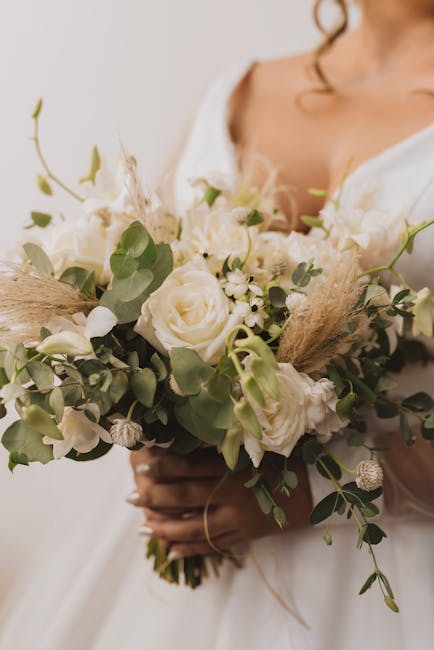
Instead of chasing the exact original design, they simplify the brief: soft pinks, ivory, and fresh greenery. They agree on roses, lisianthus, and eucalyptus-style foliage, all of which are easier to source quickly than highly seasonal statement flowers. The bouquet is ordered with a clear delivery window and stored in a cool room until the ceremony.
The result is not a compromise in the disappointing sense. It is a smarter version of the original idea. The bouquet looks balanced in photographs, matches the outfit, and arrives without drama. Nobody at the wedding is comparing stem counts. They are too busy looking at the actual couple, which is exactly how it should be.
This is the main lesson from real-world last-minute flower planning: reduce complexity before you reduce quality. When the brief becomes more focused, the outcome often improves.
Practical Checklist
Use this checklist to keep the process controlled from order to ceremony.
- Confirm the wedding date and exact bouquet handover time
- Choose a simple style direction: romantic, modern, or colourful
- Decide on a colour palette with flexibility built in
- Prioritise seasonal or readily available flowers
- Check delivery timing and recipient details
- Review flower care instructions before the bouquet arrives
- Read the supplier's terms, refund policy, and guarantees
- Prepare a cool, shaded place for storage
- Keep a backup contact number handy
- Ask about substitutions if the exact blooms are unavailable
- Confirm any matching items such as buttonholes or bridesmaids' flowers
- Inspect the bouquet as soon as it arrives
Quick final check: if you can answer who, what, when, where, and how the flowers will be handled, you are in good shape.
Conclusion
Last-minute wedding flowers do not need to feel like a panic order. If you focus on availability, durability, simple styling, and clear delivery details, you can arrange a bouquet that feels elegant and entirely appropriate for the day. In many cases, a tighter brief actually produces a better result because it forces smart choices.
The safest path is usually the same: keep the design focused, choose reliable flowers, confirm the logistics, and review the service details before you buy. That combination reduces stress and improves the odds that the bouquet will arrive looking fresh and photo-ready.
If you are still deciding, look for a florist or delivery service that is transparent about timing, care, and customer support. The right supplier will make the whole process feel steady rather than frantic, which is what every wedding day needs.
Get a free quote today and see how much you can save.
Frequently Asked Questions
How late can I order wedding flowers?
That depends on the florist, the flowers you want, and whether delivery slots are still available. For the best chance of getting a bouquet that suits the day, order as early as you can, but many suppliers can still help with short lead times if the design is flexible.
What flowers are best for a last-minute wedding bouquet?
Roses, carnations, alstroemeria, chrysanthemums, lisianthus, and seasonal greenery are often practical choices because they are widely available and hold up well. The best option will still depend on the season and the final colour palette.
Can I get a wedding bouquet delivered quickly in the UK?
Yes, many online florists offer fast delivery options, though availability varies by location and order cut-off times. It is worth checking the delivery page carefully and confirming the exact window before placing the order.
Is it more expensive to order flowers at the last minute?
Sometimes it can be, especially if you need unusual flowers, rush handling, or a narrow delivery slot. A simple bouquet made from available stems is usually the most cost-effective way to manage a short deadline.
Should I choose a ready-made bouquet or a custom one?
If time is extremely tight, a ready-made bouquet is usually safest. If you still want some personal control but need speed, a semi-custom bouquet is often the best middle ground.
How do I make a rushed bouquet look elegant?
Keep the palette limited, use a clean bouquet shape, and avoid overloading the arrangement with too many different flowers. A small amount of greenery or a neat ribbon finish can make it feel polished without adding complexity.
What should I check before paying for wedding flowers online?
Look at the delivery terms, refund policy, guarantees, and payment details. If the bouquet is for a fixed event, you want to know exactly what happens if the flowers are delayed or substituted.
How can I keep wedding flowers fresh before the ceremony?
Store them in a cool indoor space away from direct sunlight and heat. Follow the florist's care instructions, keep the stems hydrated if advised, and avoid leaving the bouquet in a warm car for too long.
Can I match bridesmaids' flowers at the last minute too?
Yes, but it helps to keep the designs simple and use a shared colour family rather than identical flower types. That way the bouquet and supporting flowers still look coordinated even if exact stems vary.
What if the exact flowers I wanted are unavailable?
This is common with last-minute orders, especially if the flowers are seasonal. A good florist should suggest suitable alternatives that preserve the style and colour mood without delaying the order.
Are there ethical or sustainability questions I should ask?
Yes. If this matters to you, ask about sourcing, seasonal availability, and any sustainability commitments the supplier shares. Pages such as sustainability guidance or company information pages can help you decide whether the business aligns with your values.
What is the simplest bouquet style for a quick wedding order?
A compact hand-tied bouquet is often the easiest and most reliable choice. It is quicker to source, easier to transport, and generally less risky than a complex, sculptural design.