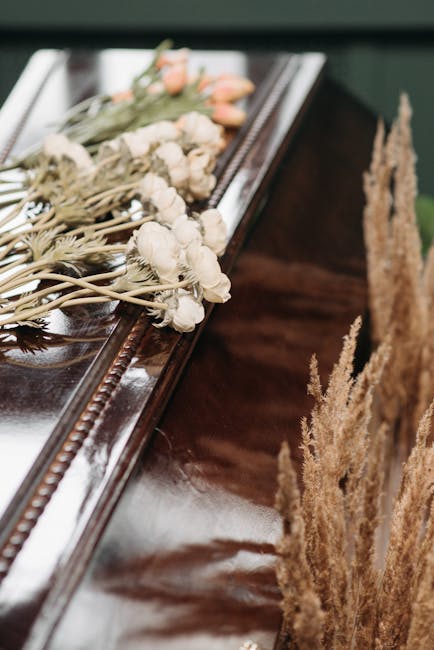
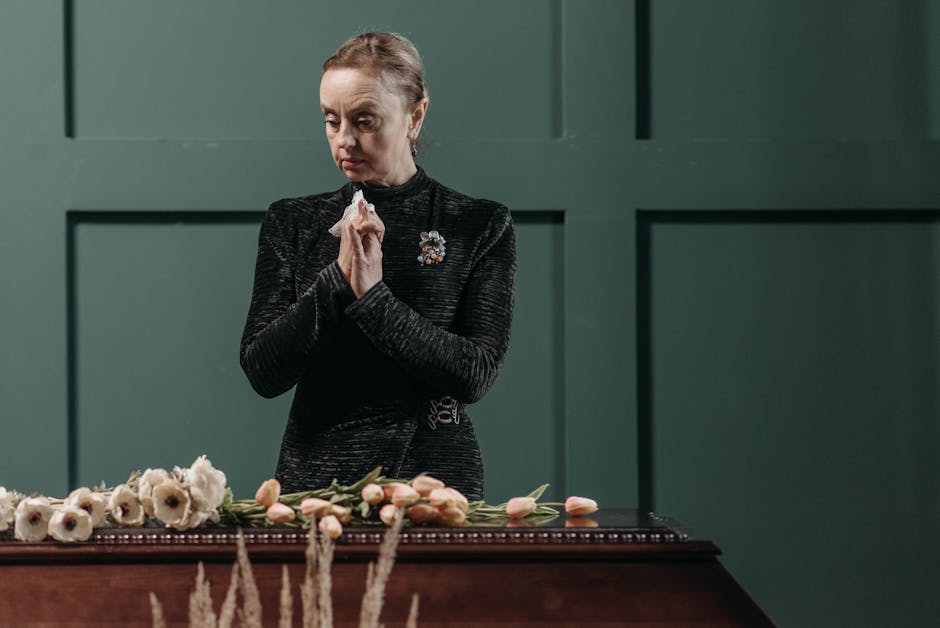
Funeral Flowers That Respect UK Service Etiquette: A Practical Guide for Thoughtful Choices
Choosing funeral flowers is never just about colour or price. In a UK setting, the right arrangement helps you show sympathy without overstepping the tone of the service. That balance can feel surprisingly delicate. You want to be respectful, appropriate, and timely, but not fussy or unsure. And let's face it, when emotions are running high, even a simple choice can feel oddly difficult.
This guide on Funeral Flowers That Respect UK Service Etiquette walks you through the decisions that matter: what to send, when to send it, who should choose which tribute, and how to avoid the small mistakes that can make a well-meant gesture feel awkward. You'll also find a practical checklist, comparison table, and advice on delivery, wording, and service expectations so you can make a calm, considerate choice.
For readers who want the process handled smoothly, it can also help to understand delivery timing and flower care in advance. If you're arranging flowers urgently, it may be worth reviewing the florist's delivery information and flower delivery options before placing an order. A bit of planning goes a long way, honestly.
Table of Contents
- Why Funeral Flowers That Respect UK Service Etiquette Matters
- How Funeral Flowers That Respect UK Service Etiquette Works
- Key Benefits and Practical Advantages
- Who This Is For and When It Makes Sense
- Step-by-Step Guidance
- Expert Tips for Better Results
- Common Mistakes to Avoid
- Tools, Resources and Recommendations
- Law, Compliance, Standards, or Best Practice
- Options, Methods, or Comparison Table
- Case Study or Real-World Example
- Practical Checklist
- Conclusion
- Frequently Asked Questions
Why Funeral Flowers That Respect UK Service Etiquette Matters
Funeral flowers carry a quiet social job. They express sympathy, mark respect for the person who has died, and show support for the family without needing many words. In the UK, funeral service etiquette tends to favour understated, thoughtful gestures rather than anything too bright, showy, or overly personal unless the family has clearly asked for that style.
That matters because funeral services are rarely one-size-fits-all. A crematorium service in Manchester, a church funeral in Kent, a woodland burial near the edge of a town, or a direct cremation with a later memorial all create different expectations. The flowers should fit the setting. Not dominate it.
There's also the emotional side. Families often remember the details. A tasteful wreath, a soft-lettered tribute, or a carefully chosen lettered spray can feel comforting in a way that a generic arrangement simply won't. People notice the tone. They do.
In practice, respecting etiquette means balancing three things:
- the wishes of the immediate family
- the nature of the service
- the relationship between sender and deceased
That sounds simple, but in the real world it is where most uncertainty lives. Should you send a casket spray if you're a friend? Should bright colours be avoided? Can children sign the card? These are small questions, yet they matter. And a thoughtful answer tends to be better than a hurried one.
Expert takeaway: respectful funeral flowers are not about being elaborate. They are about being appropriate, considerate, and calm in tone.
How Funeral Flowers That Respect UK Service Etiquette Works
The basic idea is straightforward: choose an arrangement that aligns with the funeral setting and the family's preferences, then arrange delivery so it arrives at the right place and time. The details are where etiquette comes in.
In a typical UK context, floral tributes fall into a few broad categories. There are sympathy bouquets sent to the family home, funeral sprays for the service, wreaths, posies, sheaves, casket sprays, and letter tributes. Each has a purpose. Each also carries a slightly different social meaning.
The choice often depends on your relationship to the deceased:
- Close family may choose the main casket spray or a larger tribute.
- Friends, colleagues, and extended family often send wreaths, sprays, or compact arrangements.
- Groups or workplaces may prefer a shared tribute with a card or printed ribbon message.
Timing matters too. Funeral flowers are usually delivered to the funeral director, venue, or family home before the service. If you're sending directly to the service, check the required time window carefully. Funeral directors often have specific receiving times, and they are usually strict for good reason. Nobody wants flowers turning up while people are already seated. Bit awkward, that.
It also works best when you think about the practical context. If the service is held in winter, delicate blooms may need extra protection. If the arrangement will travel a long distance, sturdier flowers are safer. If the family has requested no flowers, then the best etiquette is to respect that request and consider a donation or a card instead.
If you're ordering from a florist, check that they can handle sensitive delivery needs. A good place to start is the florist's delivery and quality guarantees and the general about us page, which can give you a feel for how they work and what standards they keep.
Key Benefits and Practical Advantages
Respectful funeral flowers do more than "look nice." They help people feel seen. They help a service feel coherent. And they reduce avoidable stress at a time when nearly everything already feels heavy.
Here are the main practical benefits:
- They signal respect clearly without needing a long explanation.
- They support the family by making the service feel cared for and complete.
- They reduce decision fatigue because there are clear etiquette norms to follow.
- They can be tailored to faith, venue, family preference, or personal taste.
- They travel well when chosen with the service and delivery route in mind.
There is also a quieter benefit: flowers help create a moment of calm. The right arrangement can soften a room, especially in a chapel or crematorium where sound and silence both seem louder than usual. A pale rose, white lily, or mixed pastel tribute can bring a little gentleness to the day. That matters more than people sometimes admit.
For businesses, workplaces, and teams, funeral flowers can also be part of a respectful response that feels professional rather than overdone. If you regularly need organised floral sending for staff or clients, a florist's corporate accounts page can be useful for managing repeat orders with less last-minute pressure.
Who This Is For and When It Makes Sense
This guide is useful for anyone who wants to send flowers in a way that feels thoughtful and socially appropriate in the UK.
It makes sense if you are:
- a close family member arranging a main tribute
- a friend unsure what level of formality is right
- a colleague or employer sending flowers from a team
- a neighbour or community member wanting to show support
- a person ordering on behalf of someone else
It is especially useful if you are balancing grief with practical decisions. A lot of people end up ordering at odd hours, from a phone, between messages, while trying not to cry into a tea gone cold. Very normal. In that moment, a clear etiquette guide is worth its weight in gold.
You also need this guidance if the service has specific customs. For example, some families prefer private remembrance, some want bright celebrations of life, and some have faith-based traditions that shape the style of tribute. A florist cannot guess those details. You have to read the room, so to speak.
And if you are sending flowers to a funeral abroad or working with a family that values cultural or religious formality, it helps to double-check the tone of the arrangement, wording on the card, and delivery instructions before placing the order.
Step-by-Step Guidance
Here is a practical way to approach the order without overthinking it.
1. Confirm the family's wishes
Start with the basics. Has the family requested flowers, donations, or no flowers at all? If the notice is unclear, ask a close relative or look again at the funeral announcement. It may sound obvious, but this step prevents the most avoidable mistake of all.
2. Match the tribute to your relationship
Your relationship to the deceased usually guides the style and size of the arrangement. A spouse or child may choose a casket spray. A cousin, colleague, or friend may select a wreath, posy, or tasteful bouquet. If you are unsure, choose something modest rather than trying to match something grander than the moment calls for.
3. Choose the right flower style
Soft whites, creams, greens, blush tones, and gentle pastels are the safest etiquette-friendly choices for most UK funerals. That does not mean colour is banned. Far from it. If the person loved sunflowers, blue hydrangeas, or vivid seasonal blooms, a family-led celebration of life may welcome them. But make sure that choice is intentional, not accidental.
4. Consider the venue and timing
Ask where the flowers should go: family home, funeral director, church, crematorium, or memorial venue. Check delivery cut-off times and give a clear contact number. If the service is on a weekday morning, the delivery window can be narrow. Sometimes painfully narrow.
5. Write a simple, respectful card message
Keep the wording warm and brief. Examples include:
- With deepest sympathy and love
- In loving memory
- Thinking of you at this sad time
- With heartfelt condolences from all of us
Avoid anything too jokey, overly poetic, or overly long. Short is often stronger. A few sincere words can carry more weight than a polished paragraph.
6. Add delivery notes and confirm the order
Make sure the florist knows the full service details and any access instructions. If the venue has restricted parking, back entrance access, or an exact drop-off point, say so plainly. A little clarity saves a lot of stress later.
Once ordered, keep the confirmation safe. If you need to check timing again, customer support should be easy to reach through the florist's contact page.
Expert Tips for Better Results
Small details make a big difference with funeral flowers. In our experience, the best outcomes come from decisions that feel calm rather than clever.
Choose restrained elegance over volume
A well-shaped, balanced arrangement almost always looks more respectful than one that is simply bigger. Funeral etiquette is rarely impressed by excess.
Ask whether the family wants a coordinated colour palette
Some services have a theme: all white flowers, soft garden-style tributes, or a favourite colour woven throughout the arrangements. If that is mentioned in the notice, follow it. If not, keep to neutral tones.
Use seasonal flowers where possible
Seasonal flowers usually look fresher and feel more natural. They also tend to travel better and sit comfortably within a UK service setting. That is not a hard rule, just sensible practice.
Think about the message as part of the tribute
The card or ribbon wording is not an afterthought. It frames the whole gesture. "With deepest sympathy" is often enough. There is no prize for saying the most.
Check the florist's care guidance
Ask how the tribute should be stored before the service and whether water, foam, or protective packaging is included. After delivery, some arrangements need more attention than others. If you want to keep the flowers looking dignified for longer, the florist's flower care advice is worth reading before the day.
Be careful with fragrance
Strongly scented flowers can be lovely, but in enclosed chapels or smaller rooms they can feel overpowering. Gentle fragrance is usually safer than perfume-like intensity.
Keep one eye on sustainability
If environmental concerns matter to the family, ask whether the florist offers seasonal or more responsibly sourced options. A thoughtful tribute can still reflect those values. The sustainability information page is useful if you want to understand the florist's broader approach.
Common Mistakes to Avoid
Most funeral flower mistakes are not dramatic. They are just inconvenient, slightly off-tone, or avoidably stressful. Here is what to watch out for.
- Sending flowers when the family asked for donations instead. Always follow the request on the notice.
- Choosing bright, celebratory colours without context. They can be lovely for a life celebration, but out of place at a formal service.
- Ordering the wrong tribute type. A casket spray is not the same as a sympathy bouquet, and the difference matters.
- Using a long card message. Keep it brief and genuine.
- Missing the delivery window. Funeral timings are stricter than ordinary flower delivery.
- Assuming every service has the same etiquette. They do not. Faith, family, and venue all influence what feels right.
- Forgetting the sender name. If the family receives many tributes, they need to know who the flowers are from.
One small but common slip: people order flowers and then forget to check whether the venue can accept them directly. It happens more often than you'd think. Always confirm. A quick check saves the awkward phone call later.
Tools, Resources and Recommendations
You do not need specialist tools to order funeral flowers, but a few practical resources help the process run smoothly.
- Funeral notice or order of service: the best source for family requests, venue details, and timings.
- Florist delivery information: useful for checking cut-off times, service area, and drop-off conditions.
- Flower care guidance: helpful if the arrangement needs to remain fresh through a long service day.
- Payment information: important when you are ordering quickly or on behalf of a group.
- Returns and refund policy: worth reviewing so you understand what happens if something goes wrong with timing or fulfilment.
For convenience and peace of mind, it helps to know the florist's support pages before you order. The payment information, returns and refund policy, and service guarantees can all be relevant if you need a quick decision with low room for error.
If you are checking who the florist is and what they stand for, a look at the company background can also help. That's not about marketing polish. It's just sensible due diligence.
Law, Compliance, Standards, or Best Practice
Funeral flower etiquette is guided more by social and religious custom than by a single UK law. There is usually no legal requirement telling you what flowers to send or whether you must send them at all. The key is to follow the family's wishes, the venue's instructions, and any faith-specific practice if it has been shared.
That said, there are a few best-practice points that matter in the UK:
- Respect named requests. If the notice asks for donations instead of flowers, honour that request.
- Follow venue instructions. Funeral directors and crematoriums often have clear drop-off rules.
- Use accurate recipient details. This is especially important for direct delivery to a chapel, funeral home, or family address.
- Be cautious with sensitive wording. Keep messages respectful and avoid assumptions about faith, family structure, or personal beliefs.
- Protect personal data. If you are ordering on someone else's behalf, only share the details needed to complete the delivery. Florists should handle customer information in line with their privacy practices, so a quick read of the privacy policy is sensible.
For broader trust signals, a retailer's terms and conditions and accessibility statement may also be helpful, especially if you are ordering under time pressure and need clear site information.
Options, Methods, or Comparison Table
Not every funeral flower choice serves the same purpose. The comparison below can help you choose the right tribute without guessing.
| Flower option | Typical use | Best for | Etiquette note |
|---|---|---|---|
| Sympathy bouquet | Sent to the family home | Friends, neighbours, colleagues | Warm and personal, but usually smaller and more private |
| Wreath | Tribute for the service | Extended family, friends, groups | Classic UK choice; respectful and widely accepted |
| Posy | Compact service tribute | Individuals wanting something modest | Simple, neat, and easy to place |
| Sheaf | Flat arrangement laid naturally | Those who prefer understated tributes | Less formal than a wreath, but still appropriate |
| Casket spray | Placed on the coffin | Immediate family | Usually chosen by spouse, children, or close relatives |
| Letter tribute | Name or initials in flowers | Close family or major shared tribute | Often used when the family wants a strong personal statement |
If you are unsure, a wreath or neat sympathy bouquet is often the safest all-round choice. Not flashy. Not underdone. Just right for many situations.
Case Study or Real-World Example
Consider a realistic example. A group of colleagues in Bristol want to send flowers for a long-serving team member whose funeral notice asks for "family flowers only" at the service, with donations preferred instead of large tributes. The team still wants to express sympathy in a visible, respectful way.
Rather than sending a big arrangement to the chapel, they choose a modest sympathy bouquet to the family home with a short card message signed from the whole department. They also make a donation through the family's chosen route. The result feels measured and thoughtful. No one has stepped over the line. The family receives the flowers in a quiet setting, away from the formality of the service, and the donation honours the notice precisely.
That kind of decision is common. And it works because it follows three simple principles:
- it respects the family's instructions
- it matches the relationship of sender to deceased
- it avoids making the gesture bigger than the occasion
Another small example: a granddaughter in Leeds chooses white roses and eucalyptus for her grandfather's memorial because he loved the garden and kept a clipped hedge like a military man. That personal detail gives the tribute meaning, but the arrangement still feels calm and appropriate. You can absolutely make flowers personal without making them loud.
Practical Checklist
Use this quick checklist before ordering.
- Have I checked whether the family wants flowers, donations, or no flowers?
- Do I know the correct venue, date, and delivery time?
- Have I chosen the right tribute type for my relationship to the deceased?
- Does the colour palette suit the service and family preference?
- Is the card message short, sincere, and correctly spelled?
- Have I included the sender name or group name clearly?
- Do I know whether the florist can deliver to the specific location?
- Have I checked care instructions if the tribute needs to last all day?
- Do I understand the florist's payment and refund process?
- Have I confirmed any sustainability, accessibility, or service details that matter to me?
That's the whole thing, really. If you can tick those boxes, you are already ahead of most rushed orders.
Conclusion
Funeral flowers work best when they feel quiet, thoughtful, and appropriately placed. Respecting UK service etiquette is not about rigid rules or ceremonial perfection. It is about reading the situation well, listening to the family's wishes, and making a choice that supports the tone of the day.
Once you know the difference between a sympathy bouquet, a wreath, a posy, and a casket spray, the decision becomes far less daunting. Add in good timing, a brief message, and a florist who understands funeral delivery, and you're on solid ground. Simple, really. Not easy in the emotional sense, perhaps, but simple in the practical one.
If you are ready to arrange something respectful and reliable, take a moment to review the florist's delivery, quality, and support information before you order. A calm, informed choice is usually the kindest one, for everyone involved.
Get a free quote today and see how much you can save.
And if you are still unsure, that is perfectly normal. A little uncertainty does not mean you care less; it usually means you care enough to get it right.
Frequently Asked Questions
What flowers are most appropriate for a funeral in the UK?
White roses, lilies, chrysanthemums, carnations, and soft seasonal mixed flowers are common respectful choices. Neutral colours and simple arrangements usually feel safest unless the family has asked for something more personal.
Should I send flowers to the funeral or to the family home?
It depends on the notice and your relationship to the deceased. Flowers for the service are often sent to the venue or funeral director, while sympathy bouquets are commonly sent to the family home. If in doubt, ask or check the announcement closely.
Are bright-coloured funeral flowers acceptable?
Yes, sometimes. Bright colours can be suitable for a celebration-of-life service or if the family has requested them. For a traditional service, more restrained tones are usually safer.
What should I write on a funeral flower card?
Keep it short and sincere. Phrases like "With deepest sympathy," "In loving memory," or "Thinking of you at this sad time" are widely used and appropriate.
How far in advance should funeral flowers be ordered?
As early as possible, especially if the service is on a weekday or you need a specific delivery window. If it is urgent, check the florist's cut-off time and delivery details straight away.
Can I send funeral flowers if the notice asks for donations?
It is best to follow the family's request. If donations are preferred, consider making a contribution and sending a sympathy card instead of flowers.
What is the difference between a wreath, spray, and posy?
A wreath is a circular tribute, a spray is a fuller arrangement often used at the service, and a posy is a smaller, compact tribute. The right choice depends on your relationship and the tone of the service.
Is it appropriate for colleagues to send funeral flowers?
Yes, especially if the flowers are sent as a group with a respectful message. Colleagues usually choose a modest tribute or a sympathy bouquet rather than something that feels too personal.
Do funeral flowers need special delivery instructions?
Usually yes. Funeral deliveries often require exact venue details, service times, contact names, and access instructions. The more specific you are, the smoother it tends to go.
What if I am unsure about the family's religious customs?
Choose a simple, neutral arrangement and keep the wording respectful. If you know someone close to the family, ask quietly rather than guessing. That is usually the safest approach.
Can I order funeral flowers online safely?
Yes, provided the florist offers clear delivery, payment, and support information. It is sensible to review their service pages, terms, and contact details before placing the order.
How do I know whether the flowers will arrive in good condition?
Look for clear guarantees, care advice, and delivery guidance. A good florist will explain how the flowers are packed, delivered, and supported if anything needs attention.