5 Flower Care Myths That Shorten Bouquet Life
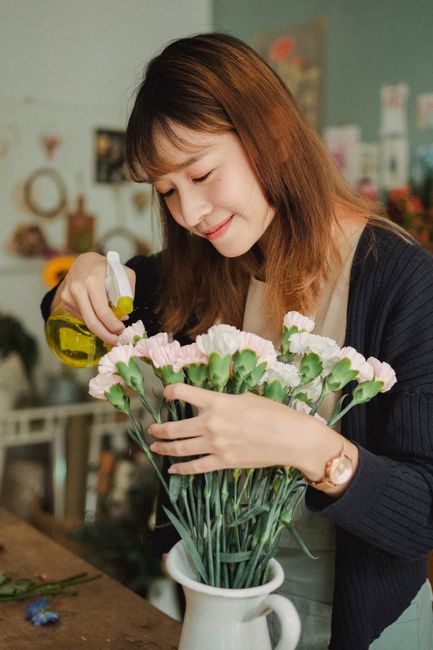
If you have ever brought home a lovely bunch of roses, tulips, or mixed seasonal stems only to watch them droop far too soon, you are not alone. A lot of bouquet disappointment comes down to well-meant advice that sounds sensible but actually shortens vase life. This guide to 5 Flower Care Myths That Shorten Bouquet Life clears up the most common mistakes and shows you what really helps flowers stay fresher for longer.
Truth be told, flower care is full of half-truths. Some tips were passed down from a relative, some came from a neighbour, and some have simply been repeated so often they feel true. The problem is that flowers are living, cut stems with very specific needs. If you get the basics wrong, even a gorgeous arrangement can fade before the weekend is over.
Below, you will find practical, no-nonsense advice, a simple step-by-step routine, a comparison table, a real-world example, and a checklist you can use straight away. A few tiny changes can make a surprisingly big difference. Really.
Why 5 Flower Care Myths That Shorten Bouquet Life Matters
Fresh flowers are not just decorative. They are often tied to birthdays, anniversaries, apologies, thank-yous, sympathy gestures, and little personal moments that matter more than people admit out loud. When a bouquet fades quickly, it can feel wasteful, disappointing, and a bit heartbreaking. That is why understanding the myths matters. You are not just preserving petals; you are protecting the thought and money behind the gift.
There is also a practical side. If you regularly buy flowers for a home, reception desk, restaurant table, or event space, poor care habits mean more replacements and more waste. One incorrect habit repeated every week can quietly add up. And since London households and businesses tend to live at pace, people often do the rushed version of flower care: a quick trim, a splash of tap water, straight into the nearest vase. Fine in a hurry, but not ideal.
The myths are especially damaging because they usually sound helpful. For example, "just add sugar," or "leave the wrapping on to help them settle," or "top up the water and you are done." Some of these ideas have a small grain of truth, but used the wrong way they do more harm than good. The trick is knowing what flowers actually need: clean water, fresh cuts, a suitable vase, and a stable environment.
Key point: when bouquet life shortens, the problem is rarely one dramatic mistake. It is usually a chain of small ones.
How 5 Flower Care Myths That Shorten Bouquet Life Works
To understand why myths damage flowers, it helps to know what happens once stems are cut. A flower no longer has roots feeding it water and nutrients. Instead, it relies on the stem to draw water upward through tiny channels. If those channels get blocked by bacteria, crushed tissue, dirty water, or poor handling, the flower struggles to hydrate properly.
This is where bad advice can quietly cause trouble. A warm windowsill might seem sunny and cheerful, but heat speeds up dehydration. A vase that is not properly cleaned may contain bacteria from the last bouquet. A blunt cut can flatten stem tissue and make water uptake harder. Even leaving too much foliage below the waterline can encourage rot. Small things, yes, but flowers are unforgiving little things.
In practice, bouquet life is influenced by four main factors:
- Water quality: clean, fresh water helps stems stay open and hydrated.
- Stem condition: a clean diagonal cut improves water uptake.
- Temperature and placement: cooler spots away from radiators and fruit are usually best.
- Bacterial control: cleaner vases and changed water slow decay.
The myths tend to interfere with one or more of these factors. For example, people often assume more water is always better, but some stems dislike being submerged too deeply. Others think a quick splash of water every few days is enough, when in reality stagnant water becomes a breeding ground for bacteria. It is not complicated, but it does reward consistency.
The five myths in plain English
Here is the short version of what we will unpack in detail:
- All flowers should go into any vase, any way. In reality, stem length, neck width, and flower head weight all matter.
- More water automatically means longer life. Not quite. Clean water matters more than sheer volume.
- Leaving the wrapping on helps flowers recover. Sometimes it can trap moisture and restrict airflow.
- You only need to cut stems once. Fresh cuts can help, especially after a few days.
- Flower food is optional fluff. Used properly, it can genuinely support vase life.
That is the engine behind the advice in this article. Once you understand the mechanics, the myths stop sounding persuasive. And that alone makes flower care easier.
Key Benefits and Practical Advantages
Getting flower care right is not about being precious or fussy. It is about making beautiful things last as long as they reasonably can. The benefits are straightforward, but they are meaningful.
- Longer vase life: your bouquet stays fresh-looking for more days.
- Better value: you get more enjoyment from every stem.
- Less waste: fewer flowers end up in the bin before their time.
- Better presentation: petals stay firmer, leaves look cleaner, and the arrangement holds shape longer.
- Fewer unpleasant smells: clean water and proper trimming reduce decay.
There is also a less obvious benefit: confidence. Once you know what actually works, you stop second-guessing yourself. No more "should I put ice in the vase?" or "do I really need to recut the stems?" You will have a routine. A good one. That makes flowers feel easy again.
For businesses, the practical advantage is even clearer. Reception flowers, hospitality arrangements, and event displays all rely on consistency. A display that lasts an extra two or three days can reduce stress, lower replacement frequency, and keep the space looking polished without scrambling for emergency replacements on a Friday afternoon. Been there, regretted the panic.
Expert summary: the best flower care is usually boring in the best possible way-clean vase, fresh cut, right water level, cool placement, and a little daily attention.
Who This Is For and When It Makes Sense
This guide is for anyone who buys, receives, arranges, or displays cut flowers. That might sound broad, but the same myths affect all of them.
- Homeowners and renters: if you like keeping flowers on the kitchen table or in the hallway.
- Gift recipients: if you want a bouquet from a loved one to last as long as possible.
- Florists and event teams: if you need arrangements to hold up through busy service windows or special occasions.
- Small businesses: if you use flowers to make a lobby, salon, cafe, or boutique feel more welcoming.
- Anyone on a budget: if you want to squeeze maximum value from every bouquet purchase.
It makes sense to pay attention from the moment flowers arrive. That first hour matters more than people think. If the bouquet has been transported in wrapping, sat in a warm car, or been left on a counter while you make tea and answer messages, it is already under a bit of stress. Nothing dramatic. Just enough that a good routine will help.
People often ask whether these tips only apply to expensive bouquets. Not really. In fact, budget bunches often benefit even more because they may have shorter natural vase life to begin with. A decent care routine helps level the playing field. Not fully, of course, but enough to notice.
Step-by-Step Guidance
If you want the short practical version, use this routine as soon as you bring flowers home. It is simple, but each step has a purpose.
1. Choose the right vase
Select a vase that gives the stems room without letting the bouquet flop sideways. Tall flowers need support; shorter, fuller arrangements need a wider opening. A vase should be clean enough that you would happily drink from it, honestly. If there is old residue inside, wash it out properly before use.
2. Remove packaging carefully
Take off outer wrapping, rubber bands, and anything that traps moisture around the stems, unless the bouquet has been designed to stand in a sleeve for transport only. Some wrapping is useful for carrying flowers home, but it should not usually stay on for long. Give the flowers space to breathe.
3. Trim the stems
Using clean, sharp scissors or a knife, cut 1-2 cm off each stem at a diagonal. The angle helps create a larger water uptake surface and stops the stem sitting flat against the base of the vase. If the stems are woody, such as roses, a sharper tool helps more than a blunt snip.
4. Remove leaves below the waterline
Any leaf sitting in water will break down quickly and feed bacteria. Strip those leaves off before arranging the bouquet. It is a small step, but a big one. You will notice the water stays clearer for longer.
5. Add fresh water and flower food
Use cool, clean water unless the bouquet instructions say otherwise. If flower food is provided, use it as directed. It is not magic, but it does often help by feeding the flowers and reducing bacterial growth. Do not assume "a bit extra" makes it better. It does not work like gravy.
6. Place the vase wisely
Keep flowers away from direct sunlight, radiators, ovens, fruit bowls, and draughty spots. Ripening fruit gives off ethylene gas, which can shorten the life of some blooms. A cooler, stable location is usually better than a bright but hot window ledge.
7. Refresh water regularly
Change the water every one to two days if you can, and rinse the vase each time. Recut stems every few days, or sooner if they start to look sealed or soft at the ends. If you are busy, even a quick daily check makes a difference.
8. Watch for early decline
Remove wilted heads or slimy stems before they affect the rest of the bouquet. A single decaying stem can speed up the whole arrangement's decline. Bit of a domino effect. Sad but true.
Expert Tips for Better Results
Once the basics are in place, a few refinements can extend bouquet life even more. These are the small habits that experienced florists and flower lovers tend to pick up over time.
- Use sharp tools, not dull kitchen scissors. Clean cuts reduce crushed tissue.
- Wash the vase thoroughly between bouquets. Sticky residue is a bacteria magnet.
- Group flowers with similar needs. Some blooms prefer cooler conditions or drink faster than others.
- Keep arrangements out of direct fruit exposure. A bowl of bananas on the sideboard can quietly shorten vase life.
- Top up thoughtfully. Adding water is useful, but it is not a substitute for changing it.
A useful little habit is to check the water at the same time each day, maybe while making coffee or before leaving for work. That tiny routine is enough to catch a drooping head or cloudy water before it becomes a bigger issue. You do not need to fuss. Just notice. Flowers respond well to being noticed.
If you are arranging mixed blooms, remember that not every stem ages at the same pace. Delicate spring flowers may fade sooner than sturdier roses or chrysanthemums. So when one element drops, do not panic. Remove it and let the rest continue their run. That is normal, not failure.
Small but useful truth: in flower care, consistency beats intensity almost every time.
Common Mistakes to Avoid
Most bouquet problems come from a few repeat errors. Here are the ones that show up most often.
- Using a dirty vase. Even if it looks clean, old residue can shorten vase life fast.
- Leaving foliage in the water. Rotting leaves are one of the quickest ways to spoil water quality.
- Placing flowers too close to heat. Warm air speeds up moisture loss.
- Ignoring the first signs of decline. A limp stem left in place can drag the whole bouquet down.
- Adding random household ingredients. Aspirin, bleach, sugar, vinegar, pennies, and other home remedies are often repeated online, but they are not reliably better than proper flower food and clean water. Sometimes they even make things worse.
- Forgetting to recut stems. Ends can seal up over time, especially after transport.
One of the most common myths is that flowers should be left exactly as bought, because any interference "shocks" them. In reality, thoughtful handling helps them settle. The shock comes from dehydration, bacteria, and heat, not from a careful trim and fresh water. That is the bit people miss.
Another sneaky mistake is treating all flowers the same. A hydrangea, for example, can be particularly thirsty and may need more attention than sturdier stems. A tulip behaves differently from a rose. If you have ever seen a bouquet tilt and twist in the vase overnight, you already know flowers have personality. Slightly dramatic personality, too.
Tools, Resources and Recommendations
You do not need a professional setup to care for flowers well. A few simple tools will cover most situations.
| Item | Why it helps | What to look for |
|---|---|---|
| Clean vase | Reduces bacteria and keeps water fresh | Any stable vase with enough room for the stems |
| Sharp scissors or floral knife | Makes cleaner cuts and improves water uptake | Something dedicated to flowers, not blunt kitchen tools |
| Flower food sachets | Supports hydration and slows bacterial growth | Use as directed, not in "extra is better" amounts |
| Small watering jug | Makes top-ups and changes easier | A narrow spout helps avoid spills |
| Soft cloth or sponge | Helps clean vases thoroughly | Best used with warm water and mild washing-up liquid |
For people who buy flowers regularly, it can also help to keep a flower-care spot at home: scissors, a clean cloth, a spare vase, and sachets stored together. It sounds a bit organised, but it saves time when you arrive home with flowers under one arm and a bag in the other and just want to get them sorted quickly.
If you are comparing bouquet options at purchase stage, consider the stem freshness, how tightly the buds are closed, and whether leaves look healthy rather than limp. A flower can only last so long in the vase if it was already struggling at the shop. Many people forget that part.
If you are looking for related advice on keeping arrangements looking their best, you may also find other flower-focused articles on the site useful for broader styling ideas and display inspiration.
Law, Compliance, Standards, or Best Practice
For home flower care, there is usually no formal legal framework to worry about. The main expectations are practical and common-sense: keep water clean, handle stems safely, and dispose of wilted material appropriately. If you are working in a business setting, especially food-adjacent or customer-facing spaces, basic hygiene matters more than most people realise.
Best practice in commercial environments tends to focus on cleanliness, staff training, and safe disposal of organic waste. In the UK, businesses generally need to avoid creating slip hazards from spilled water, keep display areas tidy, and make sure any floral maintenance does not interfere with customer safety. That is especially relevant in cafes, hotels, salons, and event venues where foot traffic is constant.
If flowers are used at events, it also helps to think ahead about allergies, scent intensity, and placement near exits or service routes. Not every bouquet belongs everywhere. A huge scented display near a narrow doorway looks great for a minute, then becomes annoying very quickly.
For florists and venue teams, documented care routines can be useful. Nothing heavy, just a simple housekeeping standard: when flowers were refreshed, who handled them, where waste was placed, and whether any stems showed signs of early decay. It keeps things smoother and reduces last-minute faff.
Options, Methods, or Comparison Table
Not every bouquet needs the same care level, but knowing the trade-offs helps you choose the right routine.
| Method | Best for | Pros | Limits |
|---|---|---|---|
| Basic care only | Small home bouquets | Quick and easy | Usually shorter vase life |
| Basic care + daily checks | Most household arrangements | Balanced effort and results | Needs a bit of consistency |
| Detailed florist-style care | Events, receptions, premium bouquets | Best chance of extended life | Takes more time and supplies |
| Low-maintenance styling | Busy homes or workplaces | Simple to manage | May not maximise longevity |
In plain terms, if you want the bouquet to last as long as possible, use the more careful approach. If you mainly need flowers to look nice for a day or two, a lighter routine may be fine. The key is matching effort to expectation. That way, you do not overcomplicate things, and you also do not expect miracles from a vase you have barely looked at.
Case Study or Real-World Example
A very common scenario goes like this. Someone receives a mixed bouquet on Friday evening, leaves the wrapping on because it looks neat, places the flowers in a warm kitchen, and adds water without cleaning the vase properly because they are tired and dinner is underway. By Sunday afternoon, the water looks cloudy, a few leaves have gone soft, and the heads are starting to bow.
Now compare that with a slightly more careful routine. The bouquet is unwrapped, stems are trimmed, lower leaves are removed, the vase is cleaned, and the arrangement is placed on a cooler sideboard away from the fruit bowl. Water is changed the next day, and any fading blooms are removed promptly. The flowers will not last forever, of course, but the difference is obvious. More upright stems. Clearer water. A fresher look for longer.
That is the part people notice most in real life. It is not about making flowers immortal. It is about turning a three-day disappointment into a much better week. And if you have ever paid for a bouquet that was meant to brighten the room, you know that extra time matters.
One florist-style trick that often helps is to think in terms of maintenance moments rather than chores. Two minutes while the kettle boils. A quick water check before bed. A stem trim while clearing breakfast dishes. Small moments. That is usually enough.
Practical Checklist
Use this checklist each time you bring flowers home:
- Clean the vase thoroughly before use.
- Remove the packaging when the bouquet is ready to display.
- Trim stems on a diagonal with a sharp tool.
- Remove any leaves that would sit below the waterline.
- Add fresh water at the correct level for the bouquet.
- Use flower food if it is provided.
- Place the vase away from heat, direct sun, and fruit.
- Change the water regularly.
- Recut stems every few days if needed.
- Remove fading flowers before they affect the rest.
If you can do those ten things, you are already ahead of most people. No drama. No strange kitchen experiments. Just sensible care.
Quick takeaway: the biggest bouquet-life gains usually come from cleanliness, temperature control, and regular water changes. Fancy tricks are optional; the basics are not.
Conclusion
The truth about 5 Flower Care Myths That Shorten Bouquet Life is simple: most flower problems come from understandable habits, not carelessness. People want to help their bouquets last, so they follow advice that sounds useful. But flowers are more sensitive than they look, and a few wrong assumptions can cut their life short surprisingly fast.
Once you replace the myths with a few practical habits-clean vase, fresh cuts, appropriate water, better placement, and regular checks-you give your bouquet a fair chance to do what it was meant to do: brighten the room for as long as possible. That is really the goal. Not perfection. Just better days, one vase at a time.
Get a free quote today and see how much you can save.
And if you are standing at the kitchen counter wondering whether the flowers look a bit more awake today than yesterday, that is usually a good sign. Keep going. You are probably doing better than you think.
Frequently Asked Questions
What is the biggest flower care myth that shortens bouquet life?
One of the biggest myths is that flowers can be left alone after the first day. In reality, clean water, fresh cuts, and removing fading stems make a noticeable difference to vase life.
Should I leave the wrapping on a bouquet?
Usually no, once the flowers are home and ready to display. Wrapping is useful for transport, but leaving it on can trap moisture and restrict airflow around the stems.
How often should I change bouquet water?
Every one to two days is a sensible routine for most home bouquets. If the water looks cloudy sooner, change it sooner. Clean water is one of the simplest ways to slow decline.
Do flower food sachets actually work?
Yes, when used as directed they can help. Flower food is designed to support hydration and limit bacterial growth. It is not magic, but it is usually more useful than random home remedies.
Is cold water or warm water better for flowers?
It depends on the type of flower, but cool, clean water is a safe general choice for most arrangements. If a florist includes specific instructions, follow those instead.
Why do my flowers droop even when I add more water?
More water alone does not fix blocked stems, bacteria, or heat stress. If the vase is dirty or the stems are sealed at the cut end, the flowers may still struggle to absorb water properly.
Should I cut flower stems under water?
Some people do, especially for thirsty stems, but for most home care routines a clean diagonal cut with a sharp tool is enough. The important thing is a fresh, clean cut rather than a crushed stem end.
Can I put flowers near fruit?
It is better not to. Ripening fruit gives off ethylene gas, which can shorten the life of some flowers. A sideboard away from the fruit bowl is usually a better bet.
Do different flowers need different care?
Yes, they do. Roses, tulips, hydrangeas, lilies, and mixed seasonal stems each behave a bit differently. That said, the basics of clean water and regular maintenance still apply to almost all of them.
How do I know when a bouquet is past saving?
If several stems are soft, slimy, badly bent, or losing petals quickly even after a water change and recut, the bouquet may be near the end. At that stage, removing the best remaining stems for a smaller display can still be worthwhile.
Is it worth cleaning the vase every time?
Absolutely. A clean vase helps prevent bacteria from carrying over from one bouquet to the next. It is a small task, but one of the most effective habits you can build.
What is the easiest way to make flowers last longer at home?
Start with the basics: clean vase, fresh diagonal cut, remove leaves below water, use clean water, and keep the bouquet away from heat. If you do only those things well, you will usually see a real improvement.